baptism done wrong

Really I try to be positive – to not be a “stone thrower”. But …

The challenge has always been that the Baptismal Covenant is so central to the whole structure and theology of the 1979 Book of Common Prayer that people don’t want to mess with it willy-nilly. At the same time, the Church has come to the recognition that ministry and mission is not all about social justice. It includes justice for creation as well, and creation care.

Baptismal promises in US Episcopal Church lengthen for creation

No! Just no!!!! That is all I am going to say.

Question Do you joyfully receive the Christian Faith, as revealed in the Holy Scriptures of the Old and New Testaments?
Answer I do.

BCP 2019

Again, no! Just no.

sentimental humanism

During the mid-1990s the recognized churches, particularly the Church of England, moved from the theology of sin and redemption to a less uncompromising doctrine: corporate social responsibility coupled with a sentimental humanism. Rosie [the TV evangelist] has gone further and has virtually abolished the Second Person of the Trinity together with His cross, substituting a golden orb of the sun in glory, like a garish Victorian pub sign. The change was immediately popular. Even to unbelievers like myself, the cross, stigma of the barbarism of officialdom and of man’s ineluctable cruelty, has never been a comfortable symbol.

PD James, Children of Men

this …

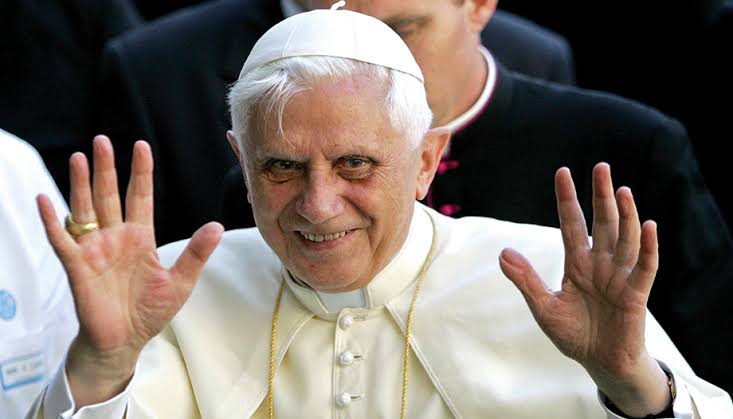
What, in light of the Bible, is ‘faith’? And let us again affirm clearly: it is not a system of semi- knowledge, but an existential decision— it is life in terms of the future that God grants us, even beyond the frontier of death. This is the attitude and orientation that gives life its weights and measures, its ordinances, and its very freedom.

Ratzinger, Faith and Future

why?

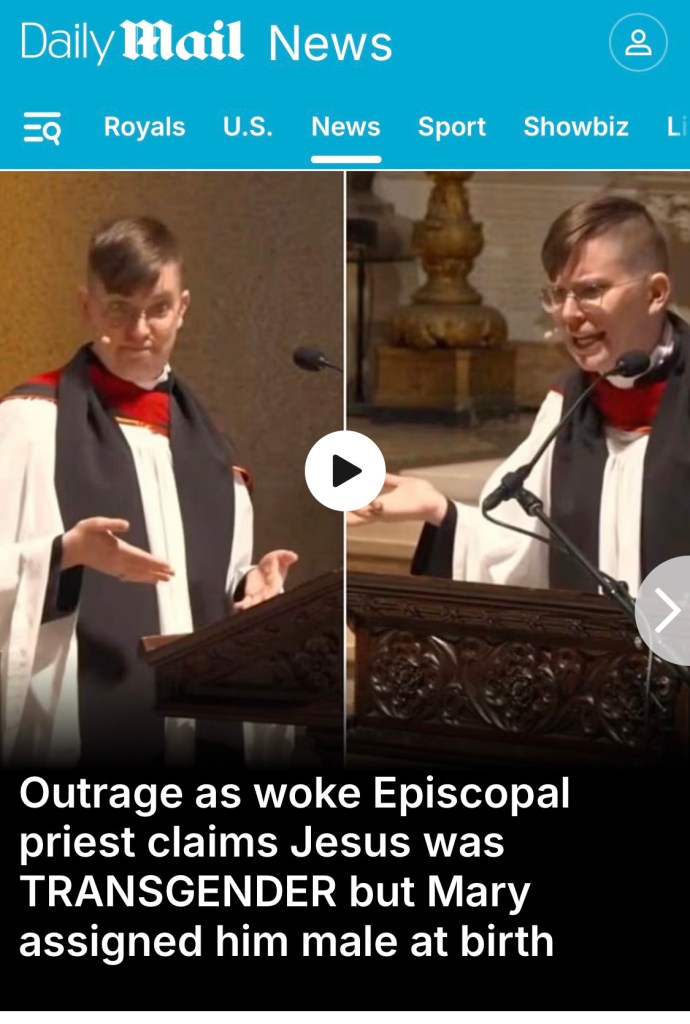
Source: The Daily Mail

So this story has been doing the rounds of social media. I am not sure I should comment on the story. I do not know the particulars. I am impressed that the priest has chosen to wear choir dress.

So, I will add these general points:

  • What is the aim of the church? Why does the church exist in this world? I am not thinking of secondary or tertiary aims – what is the number one aim of the church? How does this particular sermon serve that aim?
  • What is the point of the sermon? I do wonder why this priest felt the need for that topic. What individual needs to hear this particular point in their faith journey? Does this mark the end of the sermon as it has been traditionally understood?
  • “Repent ye: for the kingdom of heaven is at hand” (Matthew 3:2) If this were the last sermon you hear, how would it prepare you for your death?
  • “… they all muddle their water that it may seem deep” (Nietzsche). Does speculation have a role in homiletics?

… by me

Jesus saith unto him, I am the way, the truth, and the life: no man cometh unto the Father, but by me.

John 14:6

I often meditate on the first half but this morning I am drawn to “no man cometh … but by me”. Jesus is the only way! (And the full revelation of God.)

misunderstanding

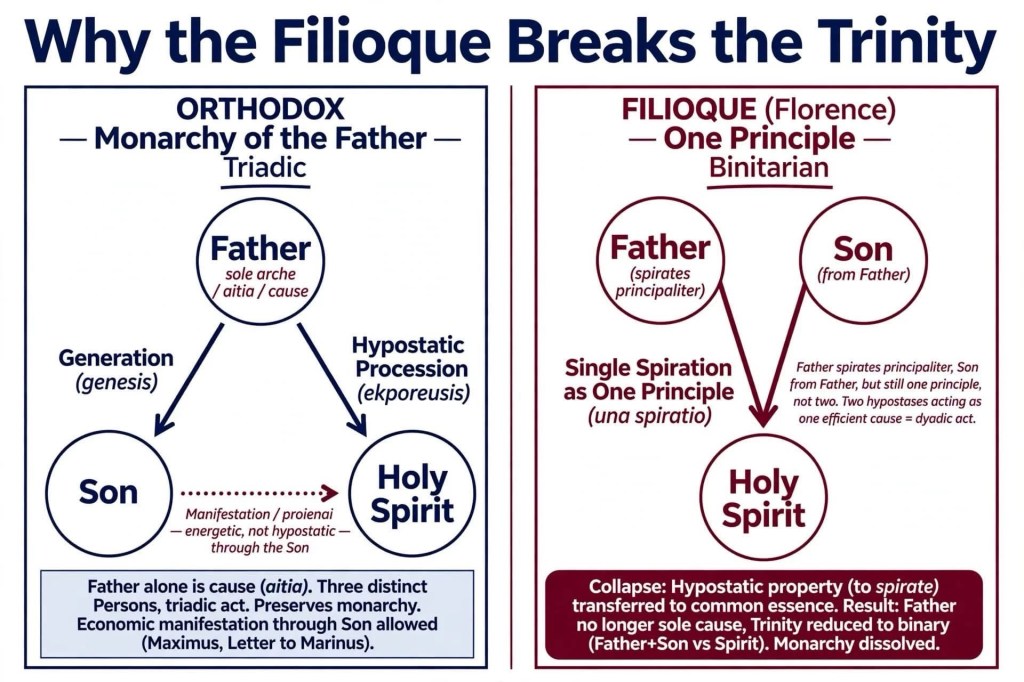
What if, hear me out, the west has misunderstood the doctrine of the Trinity? And, what if, because of this misunderstanding there is such a decline in religious participation?

I mean, what if the filique is just as important as the eastern churches claim it to be?

And what if Nietzsche is right: the west has made God a metaphysical principle?

Just what if …

the church and me

So I was thinking about “church”. Maybe there are are two issues I have:

  1. ecclesiolatry
  2. clericalism

Ecclesiolatry means excessive or obsessive devotion to the church as an institution, its traditions, or its physical and ceremonial trappings, rather than to God or the spiritual faith it represents.

It is therefore necessary, on the one hand, to decisively overcome the scourge of clericalism. Listening and leaving aside stereotypes are powerful antidotes to the risk of clericalism, to which an assembly such as this is inevitably exposed, despite our intentions. Clericalism arises from an elitist and exclusivist vision of vocation, that interprets the ministry received as a power to be exercised rather than as a free and generous service to be given. This leads us to believe that we belong to a group that has all the answers and no longer needs to listen or learn anything, or that pretends to listen. Clericalism is a perversion and is the root of many evils in the Church: we must humbly ask forgiveness for this and above all create the conditions so that it is not repeated.

Pope Francis

There is something the same in each of the above. And I think it is not reserved to liturgy or hierarchical institutions. Some of the most “dictatorial clergy” I have met are non-conformist.

In the end, there is no institutional answer to a personal question.

why?

I saw someone on TikTok ask, “why does God send people to hell?”.

Good question. So here is my completely not asked for response:

God respects people’s choices. God respects “rejection” so that I can choose to love. Without that freedom, and God’s absolute respect for my freedom, there is no real love or faith.

Also, and let’s be honest, for people who choose to reject God in this life to spend all eternity with God is just another example of hell! Right!?

Completely without authority (or insight).